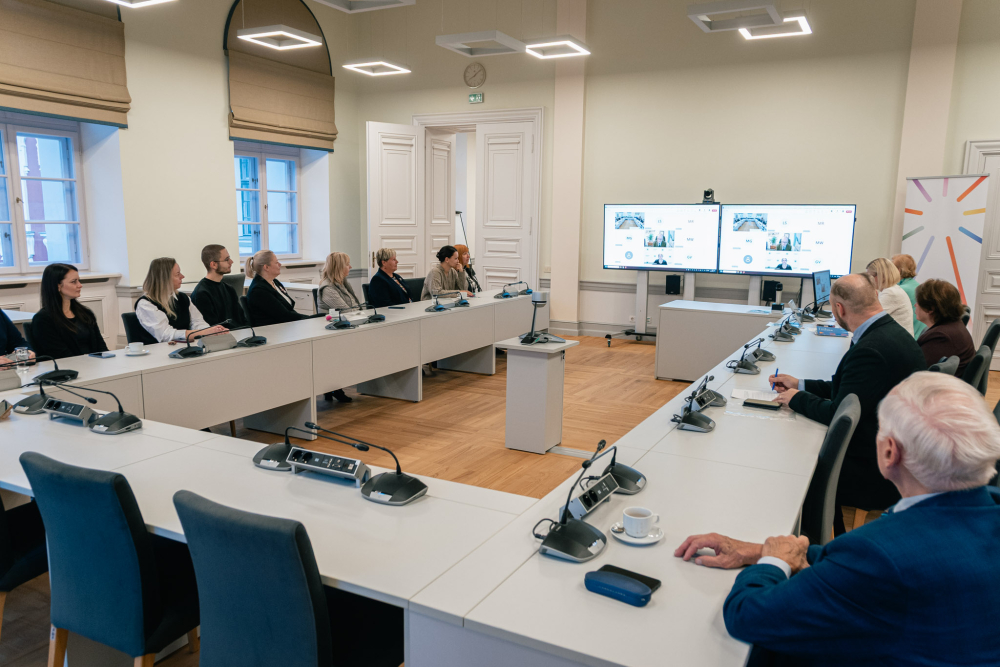
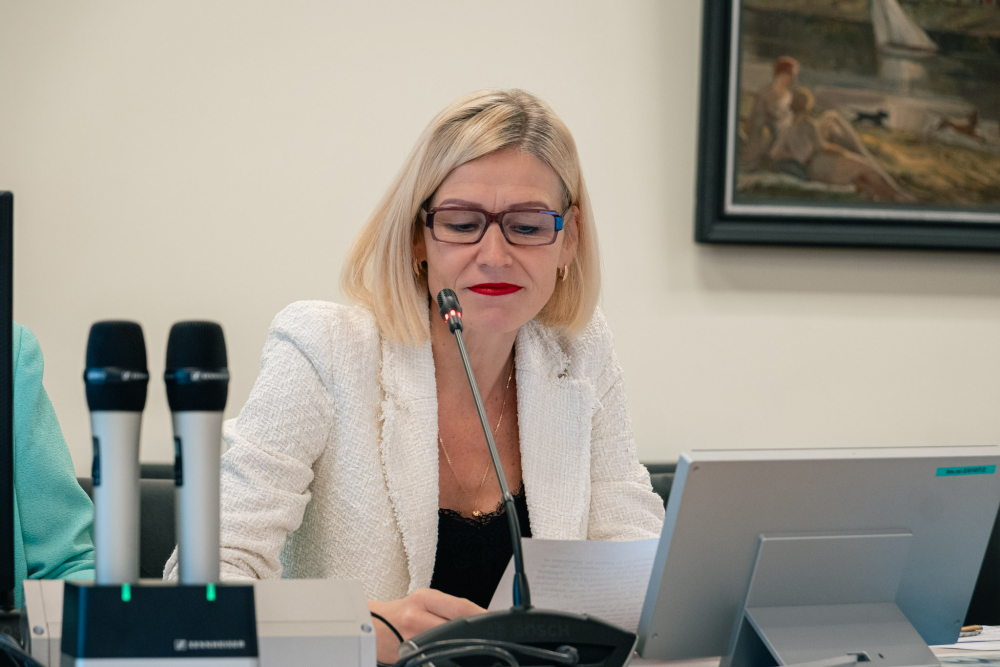
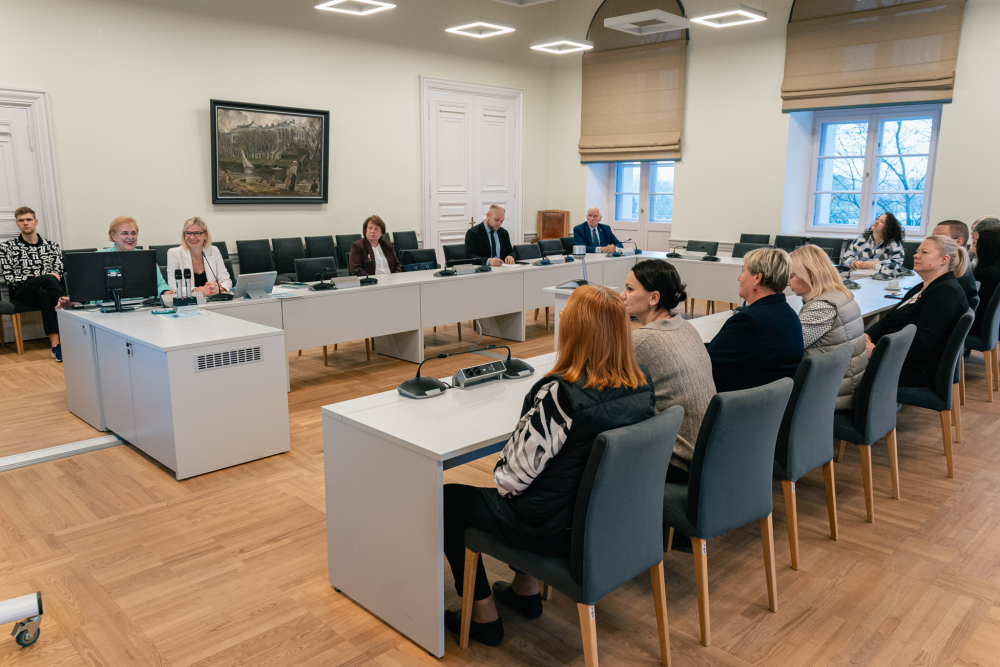
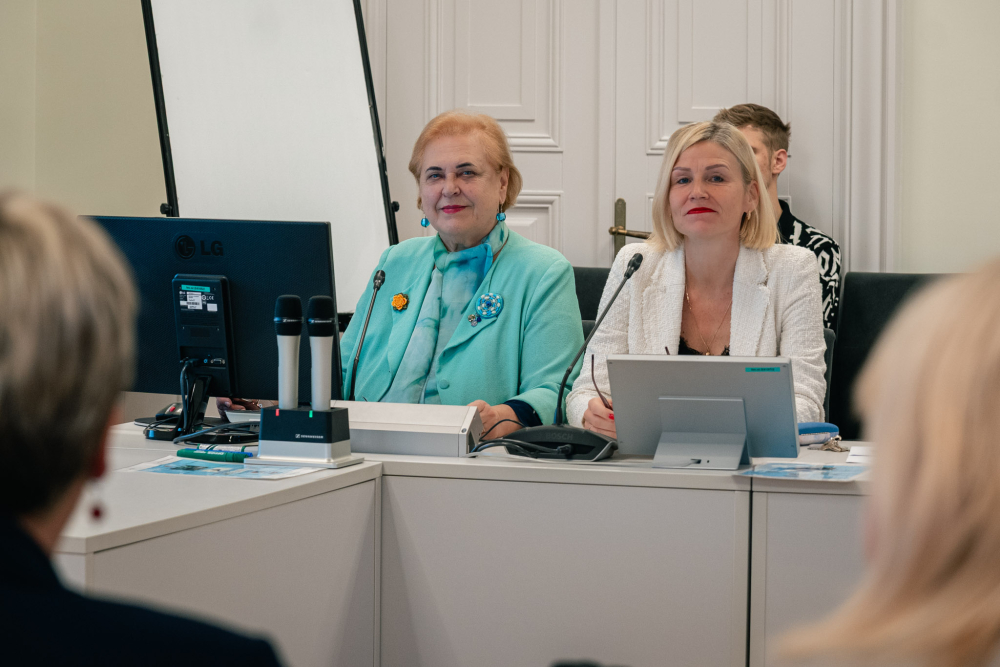
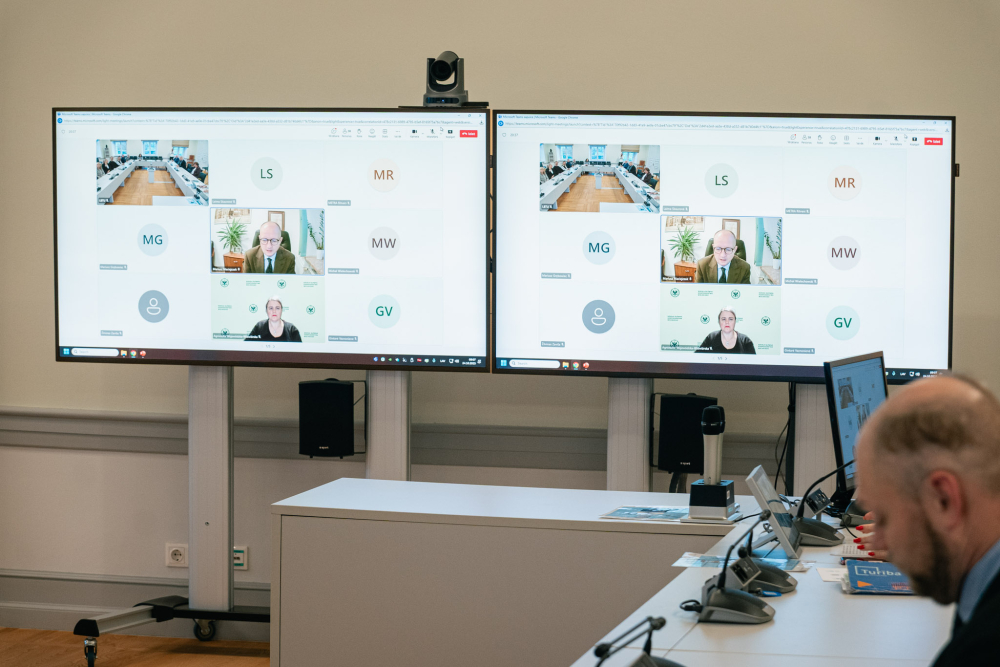
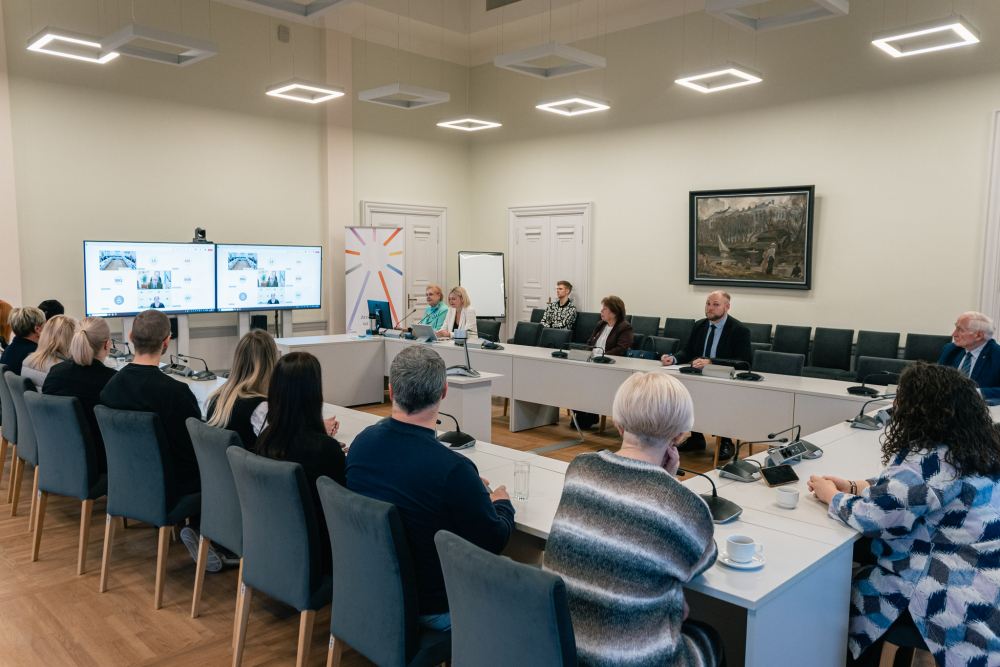
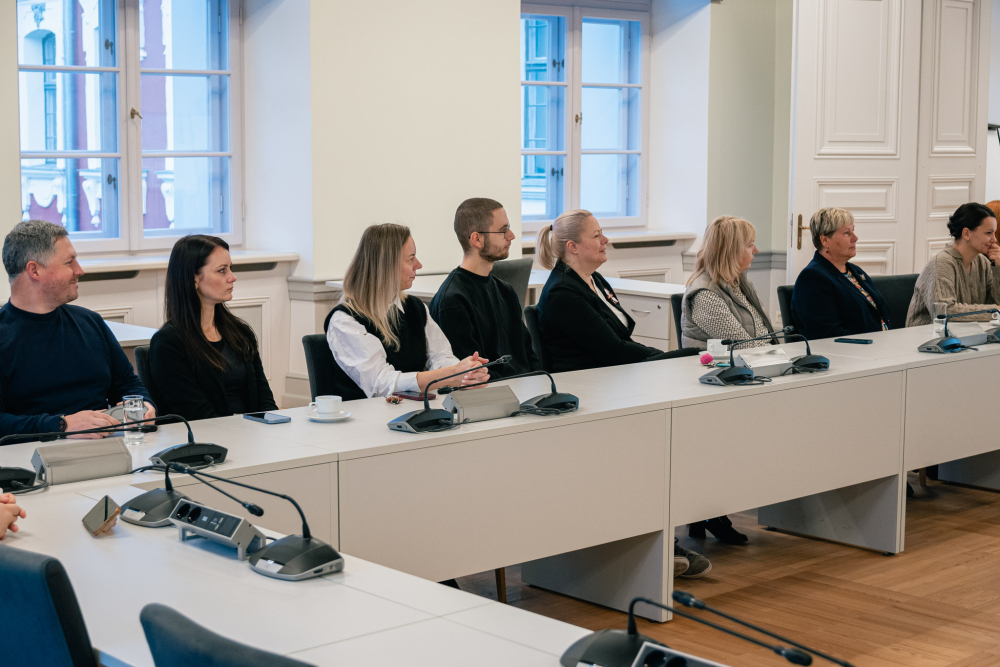
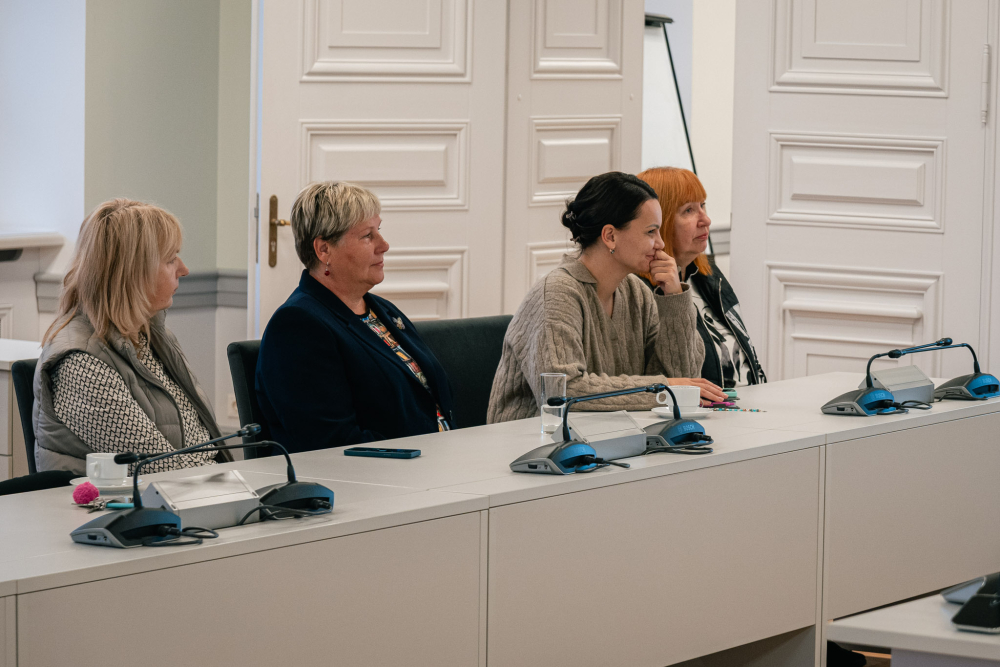
Videoconference on Regional Development Trends in EU Countries Held
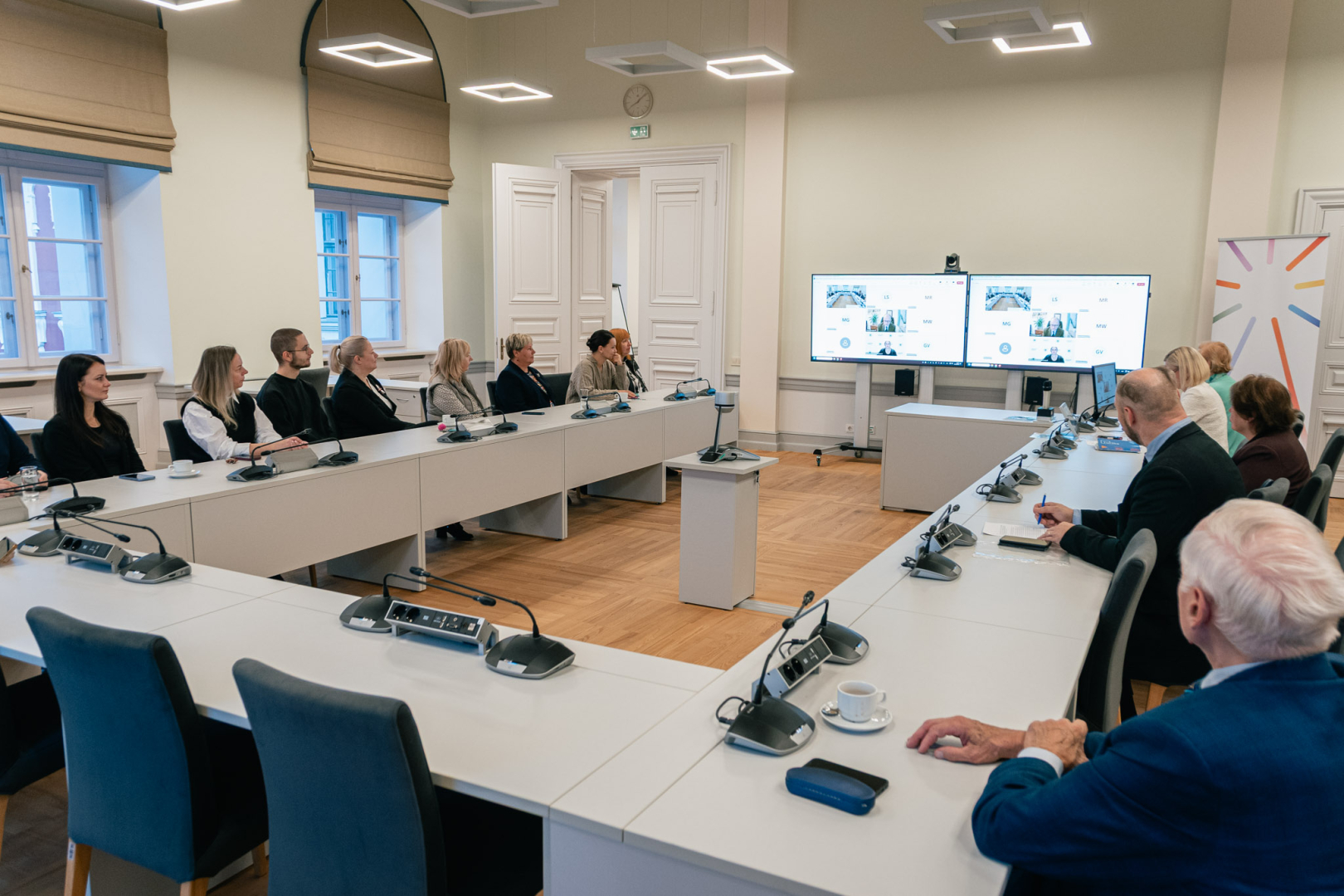
The Latvia University of Life Sciences and Technologies (LBTU), in cooperation with the Warsaw University of Life Sciences, the Latvian Academy of Sciences, the Latvian Academy of Agricultural and Forestry Sciences, and the Nordic Association of Agricultural Scientists, organized the 11th International Scientific Videoconference “Trends in Regional Development in the EU Countries.”
The conference aimed to foster the exchange of knowledge and experience on regional development trends across European Union countries, with particular emphasis on the latest developments in economics, public finance, and marketing. In light of increasing social and economic challenges, discussions focused on strategies and solutions for sustainable regional development that enhance resilience to instability and support long-term growth. The event also served as a platform for dialogue among experts, policymakers, and entrepreneurs, encouraging collaboration in creating innovative and adaptable solutions tailored to regional needs.
The opening session featured Professor Mariusz Maciejczak, Director of the Institute of Economics and Finance at the Warsaw University of Life Sciences; Professor Ilze Beitāne, Vice-Rector for Studies at LBTU; Professor Baiba Rivža, Chair of the Scientific Committee of the Conference; and Professor Joanna Rakowska, Head of Development Policy and Marketing Department at the Warsaw University of Life Sciences.
The conference proceedings were divided into three working sessions.
Session I presentations:
Baiba Rivža, Vivita Vīksniņa – “Environmentally Friendly Innovative Products for the Competitiveness of Sustainable Agriculture in Latvia”
Joanna Rakowska – “Regional Differentiation in Obtaining the EU Regional Policy Funds 2014–2020 (2023) by Local Self-governments in Poland”
Agnieszka Kozera, Joanna Stanisławska – “Does the Level of Living Conditions of the Population Depend on the Place of Residence? – Rural and Urban Perspective of European Union Countries”
Tserendavaa Tseren, Agata Malak-Rawlikowska – “Current Situation of Mongolian Wheat Sector”
Fatmir Guri, Saimir Tollia, Oltjana Zoto – “Rewriting the Rural Map: Albania’s Agricultural Land Change and Its Drivers”
Laura Pole, Baiba Rivža, Sandija Zēverte-Rivža – “Understanding the Role of Socio-Economic and Geopolitical Factors in Shaping Rural Tourism”
Yuwei Du, Anikó Kelemen-Erdős – “Demographic Dynamics and Regional Differences in Food Waste Behavior: A Comparative Study Between China and Europe”
Agris Raipalis, Biruta Sloka – “Trends in Legal Way to Manage Alcohol Circulation”
Algirdas Justinas Staugaitis, Vilma Kazlauskienė – “Advancing the SDGs through Sustainable Finance: Drivers of Green Bond Issuance and Future Pathways”
Ingrida Kazlauskiene – “The Role of Information and Communication Technologies in the Context of Smart Village Concept”
Session II presentations:
Aldona Standar, Agnieszka Kozera, Natalia Genstwa-Namysł – “CO₂ Emission Risk Mitigation and Local Governments’ Investment Activity in Poland”
Agnieszka Wojewódzka-Wiewiórska, Hanna Dudek, Urszula Grzybowska, Gintare Vaznonienė – “Households Vulnerable to Energy Poverty in the Visegrad Group Countries: An Analysis of Socio-Economic Factors”
Algirdas Justinas Staugaitis, Daiva Makutėnienė – “Determinants of Agricultural Education Enrolment in Lithuania: Economic, Labour Market, and Institutional Views”
Natalia Genstwa-Namysł – “The Importance and Directions of Pro-environmental Investments in Polish Voivodeships”
Kristina Kučinskaitė Grudienė – “The Impact of New Solutions on the Poultry Sector”
Lilita Ābele – “Acoustic Performance of Moss Walls for Urban Noise Reduction”
Weronika Biały – “Regional Differences in Registered Unemployment of People with Disabilities in Poland in 2020–2025”
Ritvars Mētra – “Sectoral Pathways of a Digital Transformation: Evidence on the Heterogeneous Adoption of Data Capitalism”
Diyar Saparov – “Digital Transformation in EU Logistics: Enhancing Efficiency Through Technology”
Session III presentations:
Michał Wielechowski – “Determinants of Working Capital Loan Dynamics across Micro-Enterprises in Poland: Sectoral Evidence”
Tetyana Kuts, Oksana Makarchuk – “Analytical Case Study of the Oilseed Market in Ukraine”
Anastasija Zemcova, Sandija Zēverte-Rivža – “Food Certification Trends and the Direction of Veganism in Latvia”
Małgorzata Węgrzyńska – “The Role of Reporting in Presenting Information on Sustainable Development in the Reports of Companies from the Agri-Food Sector in Poland and Spain”
Maciej Stawicki – “New Technology in Tourism Teaching”
Žilvinas Zaviša – “Reusable Plastic Crates vs. Cardboard Packaging: Case Study Insights”
Fatmir Guri, Saimir Tollia, Elena Kokthi, Oltjana Zoto – “From Evidence to Expectations: Verified Land-Use Shifts (2000–2020) and Municipality-Scale Forecasts (2020–2041) in Albania’s West-Led Transformation”
Paulina Popławska – “The Determinants of Vertical Farming Development in the European Economic Area”
Paramjeet Singh Bhardwaj – “Digital Transformation of Logistics Entrepreneurship: Fostering Innovation in EU Small and Medium Enterprises”