XX Baltic Animal Breeding Conference on Sustainable Development of the Livestock Sector Held in Jelgava
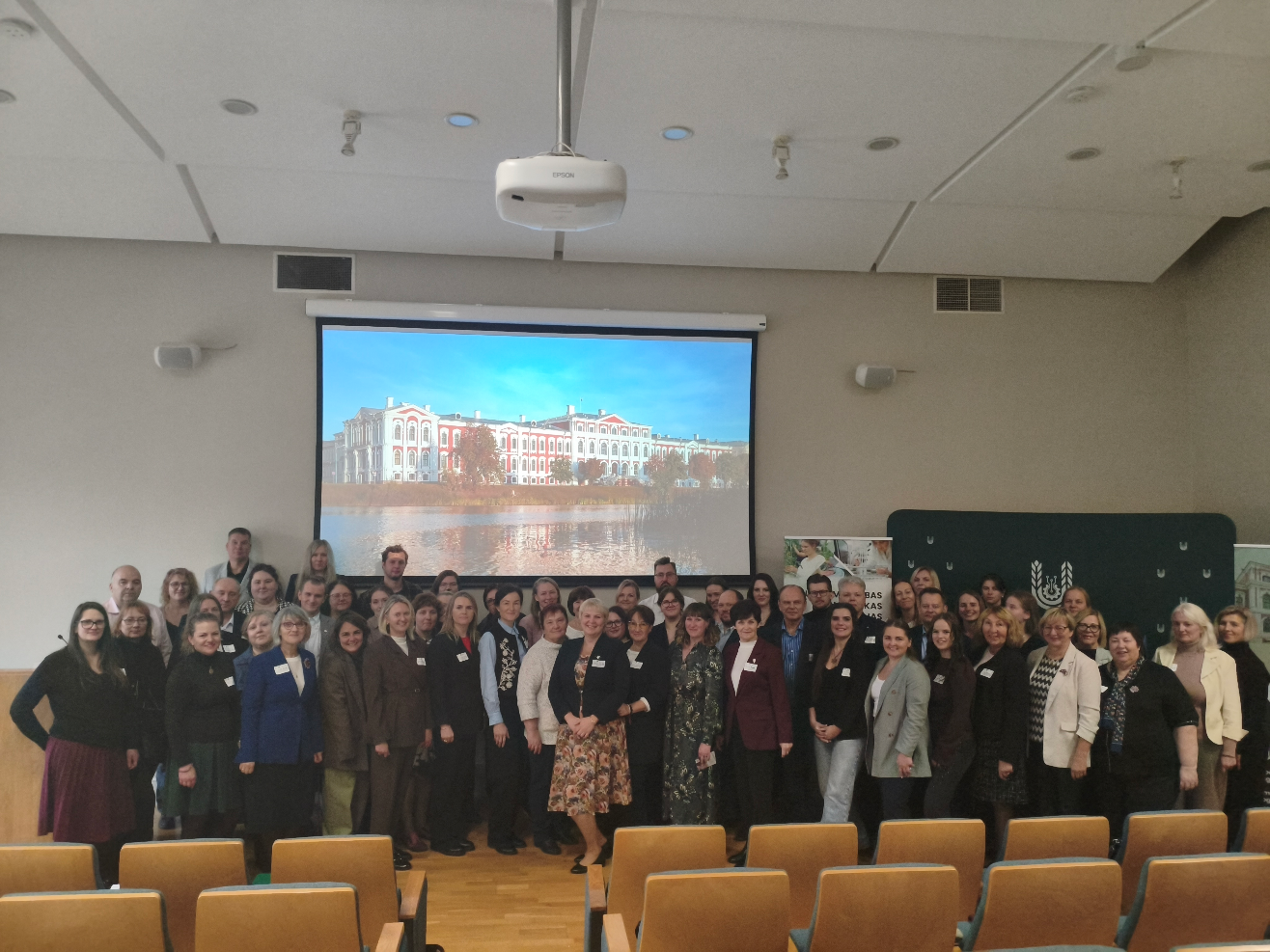
On 12–13 November 2026, the Latvia University of Life Sciences and Technologies (LBTU) hosted the XX Baltic Animal Breeding Conference at Jelgava Palace. Held under the theme "Sustainable Development of the Livestock Sector," the jubilee conference brought together researchers, animal breeders, policymakers, and representatives of industry organizations from Latvia, Lithuania, and Estonia to exchange the latest scientific findings and seek solutions to the sector's most pressing challenges. The conference was held with the support of the Ministry of Agriculture of the Republic of Latvia.
With its long-standing tradition, the conference serves as a key Baltic-wide platform for dialogue between science, agricultural policy, and practice. The event was opened by representatives of the Ministry of Agriculture of the Republic of Latvia and Gatis Vītols, LBTU Vice-Rector for Science.
Strategic Outlook of the Baltic States and Scientific Highlights
The plenary session on the first day provided a comprehensive overview of livestock sector development directions across all three Baltic States. Gediminas Vagonis, representative of the Ministry of Agriculture of the Republic of Lithuania, presented Lithuania's Livestock Development Guidelines for 2026–2030; Professor Haldja Viinalass from the Estonian University of Life Sciences analyzed the state of the agriculture and livestock sectors in Estonia; and Gita Jansone from the Ministry of Agriculture of the Republic of Latvia outlined the prospects for the sustainable development of Latvia's livestock sector.
During the scientific part of the plenary session, experts also addressed the analysis of animal genetic resources in Latvia (Līga Paura, LBTU), the latest reproductive biotechnologies in equine breeding (Elina Tsopp, Estonian University of Life Sciences), and bioenergetic interactions in dairy farming (Rūta Šveistienė, Lithuanian University of Health Sciences).
Scientific Sessions: From Genomics to Alternative Feeding
In the afternoon, work continued in two thematic sessions, where researchers from the Latvia University of Life Sciences and Technologies, the Estonian University of Life Sciences, the Lithuanian University of Health Sciences, the Institute of Agricultural Resources and Economics, and breeding associations delivered both oral presentations and electronic poster flash talks:
Animal Genetics and Genomics: Discussions focused on genomic selection for sustainable dairy production, genomic evaluation and hereditary disease screening of Charolais beef cattle in Latvia, udder health in dairy goats, productivity in dual-purpose chickens, as well as the phenotypic diversity and conservation of local breeds—including Latvian local old-type goats and Lithuanian native sheep.
Animal Nutrition, Husbandry, and Welfare: Researchers analyzed factors influencing dairy cow longevity in Latvia, pig welfare indicators from farm to slaughterhouse, and transport-related welfare risks. Considerable attention was also given to innovative feeding solutions—ranging from rumen-protected glucose, grape extract, and sea-buckthorn supplements to the use of black soldier fly larval meal in pig nutrition—as well as enhancing databases on the chemical composition of animal feed and manure.
Practical Farm Experience and Networking
On the second day of the conference, 13 November, participants went on a technical tour to the dairy farm "Saldus Druva" in Saldus Municipality to observe modern farming practices in Latvia firsthand. The event concluded with a cultural and historical excursion to Jaunpils Castle, strengthening professional ties and fostering new Baltic collaborative initiatives in research and breeding.
More information about the conference: https://conferences.lbtu.lv/en/homepg/BABC_2026/home
Media Contact: Diāna Ruska Professor, Institute of Animal Sciences, Faculty of Agriculture and Food Technology (LPTF), LBTU Email: diana.ruska@lbtu.lv.