



LBTU Researchers Develop Sustainable Solutions for the Transformation of Latvia’s Peat Industry
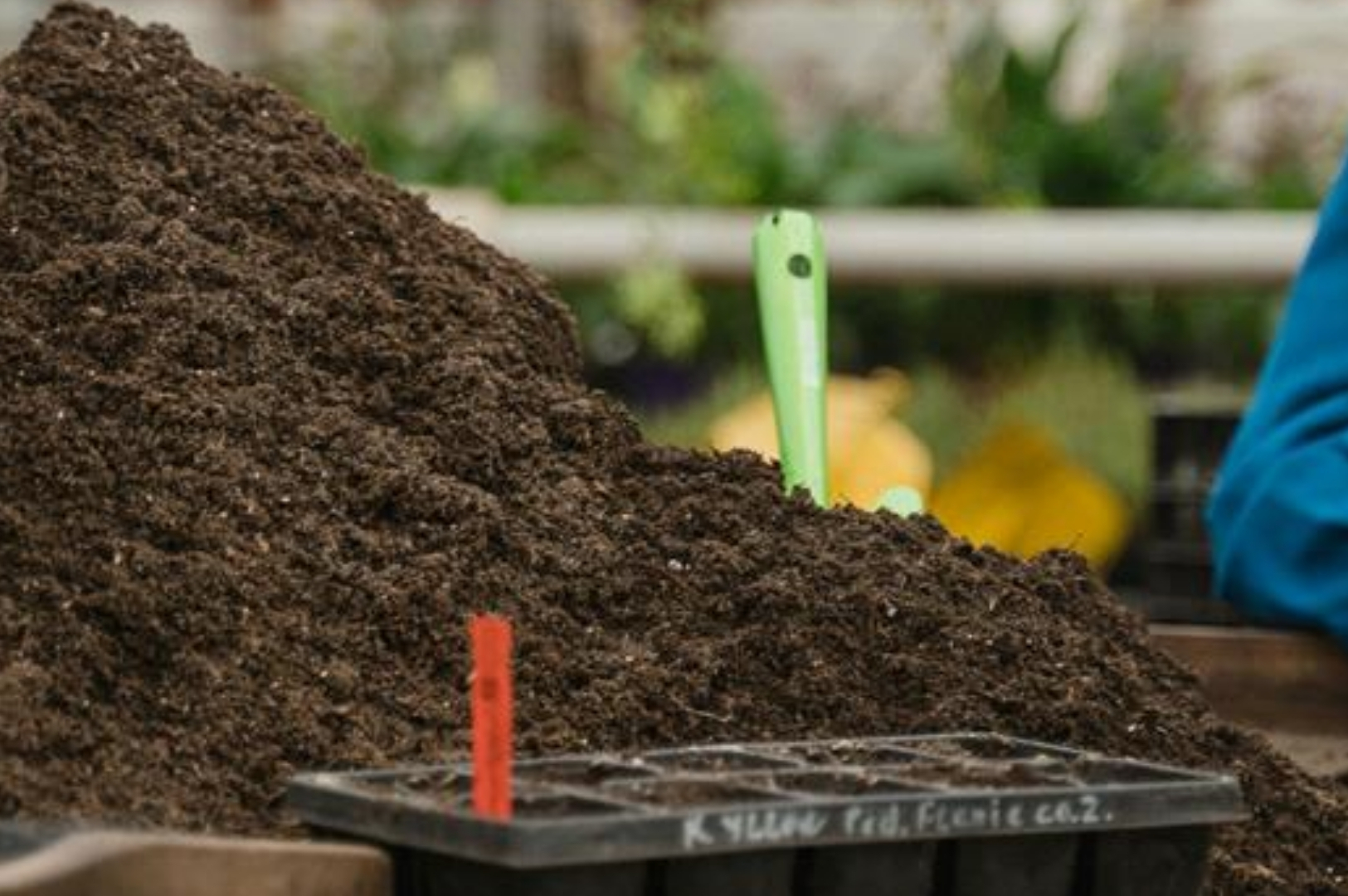
To reduce the climate impact of the peat industry, the Latvia University of Life Sciences and Technologies (LBTU) has launched the research and innovation project PeatTransform. Its goal is to provide scientifically grounded solutions for transforming Latvia’s peat sector from a significant source of emissions into a climate-neutral industry by 2050.
The project is a joint initiative of Latvian scientists and the peat industry, aimed at ensuring a realistic, research- and innovation-based transition while considering biodiversity conservation and socio-economic aspects, particularly in regions where the peat sector plays an important role – Kurzeme, Latgale, Vidzeme and Zemgale.
The aim of the project is to establish a research platform and a centre of excellence that will strengthen research capacity and scientific expertise, promote knowledge and technology transfer to the peat industry and related sectors, and expand international cooperation in the field of sustainable use of natural resources.
The main research directions of the PeatTransform project to support climate neutrality in the peat sector include:
Research on greenhouse gas (GHG) emissions, including measurement, modelling and improvement of calculation methods to more accurately reflect actual emissions from the peat sector in the national GHG inventory;
Restoration and sustainable reuse of degraded peatlands and historical peat extraction sites through innovative solutions such as paludiculture (cultivation of medicinal and biomass crops), hydrological stabilisation methods and agrivoltaic systems combining solar panels with vegetation; the impacts and effectiveness of restoration will be forecast and monitored using remote sensing methods;
Development of new low-carbon, high value-added products, including extracts, composite materials, thermal insulation and 3D printing materials, as well as growing substrates using alternative local raw materials such as mosses, reeds, wood fibres and wool; product life-cycle assessments will be carried out in parallel;
Development of new technologies to reduce GHG emissions and increase carbon sequestration in peat products, as well as research on reuse and recycling of peat substrates;
Socio-economic assessment of peat extraction and processing, domestic and export consumption, and the impact of peatland restoration on regional development;
Development of future scenarios for the use of historical and restored peat extraction sites, including socio-economic evaluation of peatland restoration, sustainability guidelines and recommendations for introducing carbon and biodiversity credits;
Preparation of recommendations for improving sectoral policies to promote balanced and sustainable use of natural resources.
The coordination of demonstration sites and industry engagement is led by the Institute of Landscape Architecture and Environmental Engineering, which has worked closely with peat producers and sector representatives. During the preparatory phase, agreements were reached with peat extraction companies on cooperation principles, data availability and the establishment of demonstration sites, ensuring that the project’s solutions are practical and aligned with real industry needs.
Several demonstration sites have already been identified and planned to showcase the implementation of science-based solutions in peat extraction and land revitalisation processes. These include sites demonstrating how groundwater level regulation during peat extraction affects hydrological regimes, GHG emissions and the surrounding environment.
In parallel, demonstrations will focus on reducing nutrient and dissolved organic carbon (DOC) leaching in both active extraction areas and restored peatlands, helping to improve surface water quality and reduce pollution pressure on aquatic ecosystems. A comprehensive monitoring plan is being developed, covering hydrological, hydrochemical and ecosystem indicators at the demonstration sites. In addition, a harmonised methodology for GHG emission measurements is being established to provide comparable and scientifically robust data on the impacts of peat extraction and peatland restoration. These measurements will support the evaluation of different management scenarios and contribute to assessing progress towards climate policy goals.
Researchers from the Institute of Soil and Plant Sciences have initiated an inventory of peat-related data and a review of associated policies to establish a reliable basis for comparing peat use with renewable alternative substrates. Data on peat deposits, their condition and use are being compiled, while key data gaps are identified; so far, around 5% of the materials held by the Latvian Environment, Geology and Meteorology Centre have been reviewed.
Based on the collected data, the project is developing an analytical framework to compare peat with renewable alternatives, considering resource availability, use efficiency and potential CO₂ emission reductions, with the aim of identifying the most sustainable peat substitution options.
Researchers are also improving methodologies for determining peat substrate properties, with particular focus on humic substances – humic and fulvic acids. Standardised chemical extraction and spectroscopic methods are applied to enable comparable assessment of organic matter fractions and their degree of decomposition across different peatland conditions, ensuring scientifically sound and practically applicable results.
This integrated approach strengthens the link between fundamental research and practical application, promoting sustainable peat resource management, circular economy development and evidence-based policymaking in wetland and peat extraction regions.
PeatTransform is implemented by the Latvian State Forest Research Institute "Silava" (Lead partner), the Latvia University of Life Sciences and Technologies, the University of Latvia, Riga Technical University, the Institute for Environmental Solutions, the Institute of Horticulture and the Institute of Agricultural Resources and Economics. Project duration is from 10 September 2025 to 30 September 2029. Budget: EUR 5,588,265 co-funding from the European Union and the Latvia state.