International Study on the Role of Work Integration Social Enterprises
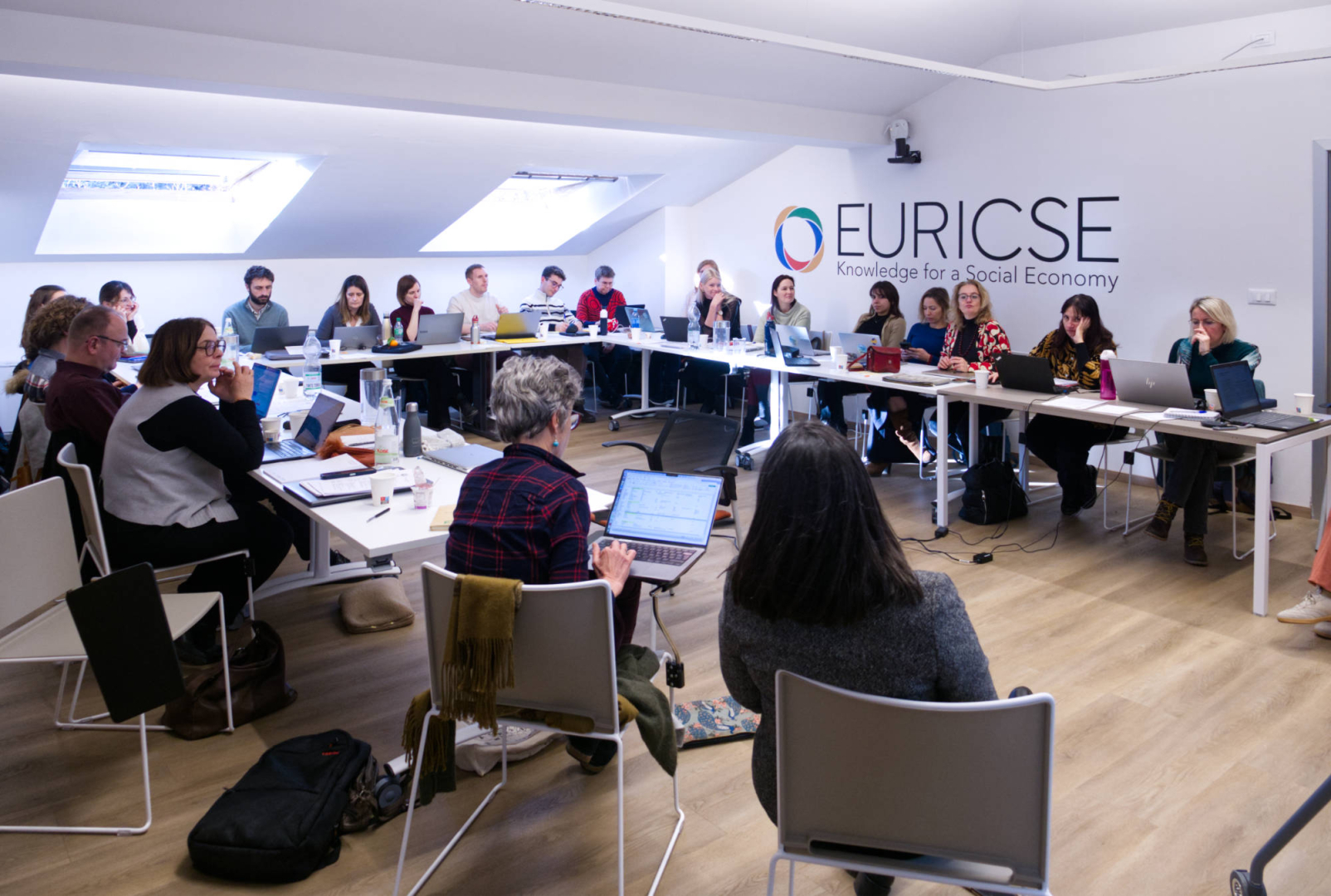
At the end of January, a working group meeting of the Horizon Europe project "Multi-level policies and theories on how to leverage Work Integration Social Enterprises for inclusive and sustainable socio-economic transition (WISESHIFT)" took place in Trento, Italy. The meeting was attended by Associate Professor Lāsma Līcīte-Ķurbe and Professor Līga Paula.
The project will carry out an in-depth analysis of 24 Work Integration Social Enterprises (WISEs) across the European Union and Serbia. The selected organisations work in resource reuse and recycling, agriculture and food, and home care services for seniors. In addition, the project will explore the experience of three Work Integration Social Enterprises in Latvia.
So far, the project has produced a comprehensive comparative study on the historical development of WISEs in 27 EU member states and Serbia. Regulatory legal frameworks, enterprise models and target groups have been analysed, as well as the visibility of WISEs, the challenges they face, and emerging development trends. Researchers have also assessed the potential of WISEs to drive change at both organisational and policy levels.
During the meeting, participants reviewed the project’s progress and next steps, including the selection of Work Integration Social Enterprises in each country and the design and implementation of the case study methodology.
"Work Integration Social Enterprises are a vital part of the social economy. In Latvia, they make up around 20% of all social enterprises and provide employment opportunities for socially vulnerable groups, including people with disabilities, the long-term unemployed and refugees. While these enterprises often drive social innovation and sustainable economic change, research in this area remains limited. The project will therefore make an important contribution to the development of the sector in Latvia," says Associate Professor L. Līcīte-Ķurbe.
As part of the programme, project partners visited the Work Integration Social Enterprise ALPI, founded in Trento in 1991. Around 70% of ALPI’s employees come from socially vulnerable backgrounds, for whom the cooperative offers not only employment but also meaningful work-based rehabilitation. Initially focused on packaging and textile components, ALPI has since shifted its activities. Since 2013, it has produced designer bags from textile waste under the REDO brand and refurbished donated medical equipment for people in need. The enterprise produces around 40,000 bags annually, sold in Italy, Germany and online, with sales accounting for 80% of its income and grants for the remaining 20%. According to the company’s director, ALPI helps employees develop professional skills and serves as a stepping stone to further employment, while maintaining long-term relationships with former staff.
"In Latvia, most Work Integration Social Enterprises are small, employing only a few people, whereas the example of Trento demonstrates that it is possible to employ more than 30 people from socially vulnerable groups while ensuring the economic viability of the enterprise. International experience helps to identify the challenges faced by WISEs in other EU countries, existing support instruments, and the potential to implement change in society and the economy. Participation in the project is a significant benefit, and its results will contribute to the development of social entrepreneurship not only in the Latvian context, but also at the policy level within the European Union," explains project researcher Professor L. Paula.
The aim of the project is to develop strategies and multi-level policies for Work Integration Social Enterprises, policymakers and European networks in order to promote the development of this type of enterprise and thereby foster inclusive and sustainable socio-economic change. To achieve the project’s objectives, researchers will conduct a comprehensive study of Work Integration Social Enterprises in 27 EU member states and Serbia, carrying out in-depth case studies of 24 Work Integration Social Enterprises in eight consortium partner countries and their contribution to an inclusive and sustainable ecosystem. The research will focus on three strategic domains where WISEs are particularly active and show strong transformative potential: Agri-food systems (sustainable and local food production); Repair, reuse, and recycling (circular economy) and Community and home care for the elderly (inclusive social care).
More information about the project: https://www.wiseshiftproject.eu/