



Best cases
Teams with new business ideas from the EU co-financed project "Promoting Innovation and Entrepreneurship at LBTU" (No. 1.1.1.3/21/A/007)
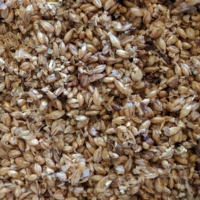 Team "A squared"
The team explored ways to create a sustainable protein source from leftover draught beer and successfully developed a functional solution. They focused on transforming this byproduct into a dry, flour-like protein ingredient, suitable for various food applications. The result was a base for unsweetened protein bars, as well as a potential ingredient for other food companies in Latvia and beyond. Throughout the project, the team aimed to reduce both food waste from breweries and reliance on high-carbon-footprint protein sources. Their work demonstrated clear potential for innovation in sustainable food production and circular economy practices.
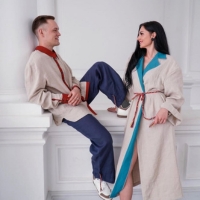 Team "LINT"
The team explored natural fibres and identified hemp as a unique and promising material due to its resistance to mould and moisture. While natural materials are often associated with food, the team recognised the growing relevance of sustainable raw materials in fashion and lifestyle products. They studied hemp’s ecological properties — such as its minimal need for pest control — and its long historical use in textiles. The aim was to better understand hemp fabric compared to more common materials like linen or cotton, and to explore its advantages. As a result, the team developed a minimalist, functional clothing collection made from hemp, designed to suit a modern, eco-conscious wardrobe.
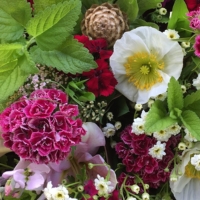 Team "Sensual Flora"
The team developed a lingerie brand focused on menstrual underwear and reusable panty liners made from certified, high-quality natural materials. They combined function and beauty, creating pieces that were both breathable and kind to the body, helping to reduce bacteria-friendly conditions. Inspired by femininity and strength, the designs featured delicate floral embroidery in bright and soft tones, evoking the feel of blooming meadows. The brand embraced sustainability by using eco-conscious materials and aligning with global waste-reduction efforts. Looking ahead, the team laid the foundation for offering custom embroidery based on the symbolic and mythological meanings of plants, adding intentional depth to each design.
Team "One step ahead"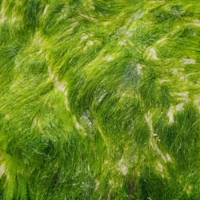
The team developed a science-based plant growth stimulator using algae washed up on the Kurzeme coast, aligning with RIS3 bio-economy priorities. They aimed to meet the increasing demand for organic bio-fertilisers by creating a natural solution tailored for sustainable farming. The product was designed not only to promote plant growth but also to offer preventive protection against common diseases, supporting healthier crops and improved yields. Throughout the process, the team focused on transforming coastal biomass into a valuable agricultural input. Their work contributed to both environmental sustainability and innovation in organic farming practices.
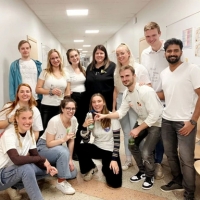 Team Pats - "do it yourself"
The team worked closely with LBTU student’s to adapt marketing materials based on the cultural values, customs, and communication preferences of the student’s home country. Together, they identified the most suitable communication channel to ensure the message would resonate effectively with the target audience. By tailoring the content to local expectations and formats, the team ensured cultural relevance and engagement. This collaborative approach highlighted the importance of understanding diverse audiences in international outreach. The project demonstrated how cross-cultural cooperation can enhance the impact of marketing efforts.
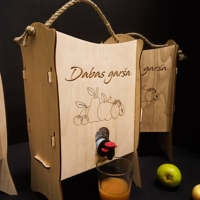 Team "LEVS"
The team designed a double-sided packaging stand for both juice and wine, with one side intended for wine and the other for juice. The concept aimed to create a product suitable for both adults and children, while also being inclusive for the visually impaired through the use of braille engraving. The stand was developed not just as functional packaging, but as an elegant home design element that could be displayed with taste. By merging practicality with aesthetic value, the team created a solution that enhances everyday living spaces. The project reflected thoughtful design, accessibility, and multifunctionality.
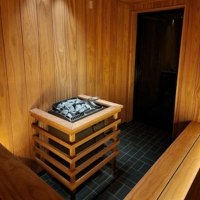 Team "Liden Sauna Stoves"
The team developed a high-quality and efficient stove designed for use in saunas and bathtubs, targeting professionals in sauna and bathhouse construction. Their goal was to offer a sustainable heating solution that could quickly and effectively warm spaces ranging from 8 to 16 m³. The stoves were engineered to operate economically, consuming less fuel while rapidly heating both the room and the sauna stones. By focusing on durability and energy efficiency, the team created a product that meets the practical needs of builders and end users alike. The project combined technical functionality with long-term sustainability.
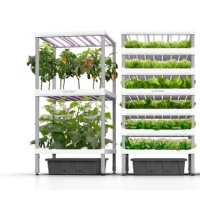 Team "BioRing"
The team experimentally developed a compact, soilless hydroponics system for growing high-quality vegetables indoors. Aiming to challenge the perception that vegetable cultivation requires large areas or farmland, they designed a unit no larger than 1 m³ that uses only water, electricity, and a computer—resources commonly found in any apartment. The system was created to maintain optimal ecological conditions, including water circulation, lighting, ventilation, nutrient delivery, and climate control. Suitable for growing lettuce, tomatoes, peppers, strawberries, and even potatoes, it enabled year-round cultivation regardless of outdoor conditions. The project combined sustainability, education, and smart technology to make home-based food growing accessible and engaging.
 Team "TIB-Tech"
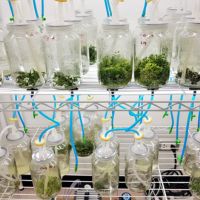
The team explored the potential of introducing Temporal Immersion Bioreactor (TIB) systems in Latvia, where this technology has not yet been adopted. Currently, plant micropropagation is performed by several institutions — including BDV, the Institute of Horticulture, the Kalsnava Arboretum, the National Botanical Garden, Silava, and Ogre Meristems — all of which face challenges during the acclimatisation of plants after in vitro cultivation. In traditional in vitro conditions, plants are grown in high humidity and keep their leaf stomata open, making them vulnerable to dehydration when transferred to external environments. The TIB system, however, improves air circulation within the growth container and helps close some of the plant’s stomata, according to studies. The team’s research suggested that plants grown using TIB technology could undergo easier acclimatisation, resulting in higher survival rates and more efficient plant propagation processes.